Airflow Systems That Filter Properly
Air Quality Solutions in Charlotte for dust, allergens, and airflow problems
Dust accumulation, persistent allergens, and inconsistent airflow signal that the existing HVAC system is not filtering or circulating air effectively. Solutions designed to improve indoor air quality and overall comfort address these issues through filtration upgrades and system enhancements that work alongside heating and cooling equipment. Air Buds Heating & Cooling installs air quality improvements suited for homes, businesses, and sensitive indoor environments across Charlotte, where seasonal pollen and humidity create additional demands on filtration systems.
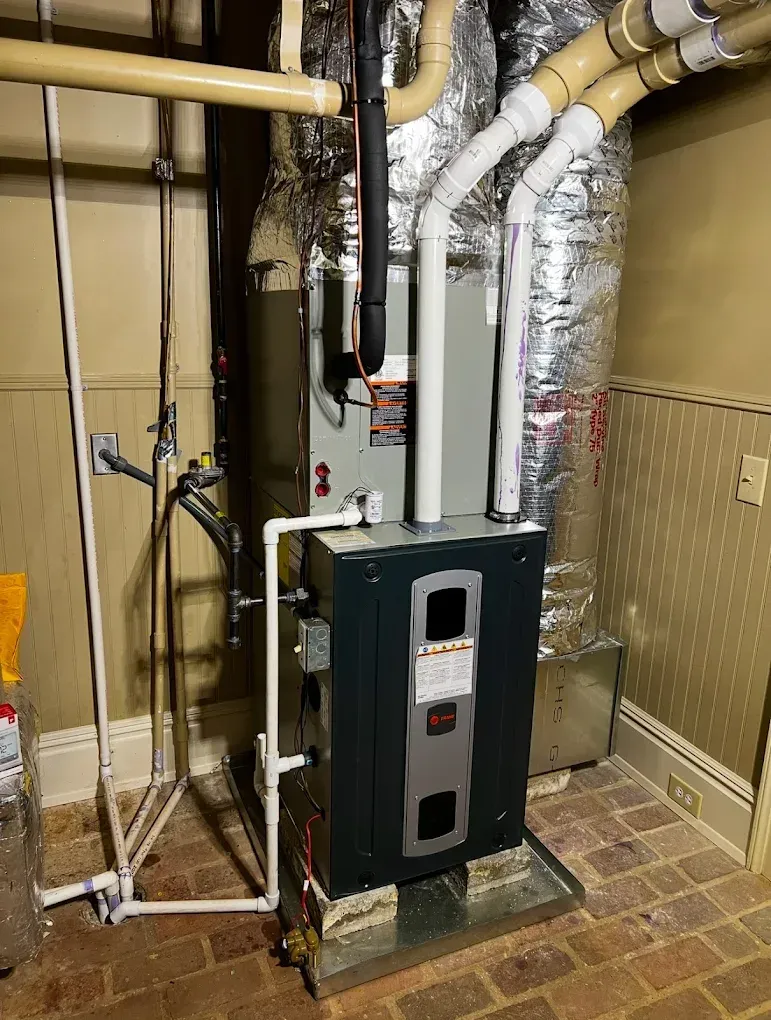
The service includes evaluating current filter efficiency, ductwork cleanliness, and ventilation rates to identify where air quality is compromised. Upgrades may involve higher-efficiency filters, whole-house air purifiers, UV light systems, or humidity control equipment depending on what the assessment reveals. Each solution integrates with the existing HVAC system to improve performance without requiring a full system replacement.
Arrange an air quality assessment to determine what changes will address specific concerns in your building.
What You Notice Once Upgrades Are Installed
Higher-efficiency filtration captures smaller particles that standard filters miss, including pollen, mold spores, pet dander, and dust mite debris. UV light systems installed in ductwork reduce microbial growth on coils and in drain pans, which eliminates musty odors and prevents biological contamination from circulating through the air. Humidity control prevents excess moisture that encourages mold growth or dryness that irritates respiratory systems.
You notice less visible dust on surfaces, reduced allergy symptoms, and air that smells cleaner throughout the day. Improved airflow distribution eliminates stale pockets and ensures that conditioned air reaches all areas of the building. Air Buds Heating & Cooling configures each upgrade to match the system's airflow capacity, so enhanced filtration does not restrict performance or increase energy consumption.
Air quality solutions do not replace regular filter changes or system maintenance, but they extend the intervals between cleanings and reduce the amount of contaminant buildup inside ductwork and equipment. The improvements are most noticeable in buildings with pets, high occupancy, or residents sensitive to airborne irritants.
What Homeowners and Businesses Ask
Questions about air quality often focus on what solutions are available and how they integrate with existing HVAC systems without causing additional problems.
What causes poor air quality in a building with a working HVAC system?
Inadequate filtration, ductwork leaks, insufficient ventilation, and biological growth on coils all contribute to contaminated indoor air. Even properly functioning systems can circulate allergens and dust if filters are not capturing particles effectively or if ductwork is distributing contaminated air.
How do UV light systems improve air quality?
UV-C light installed near evaporator coils kills mold, bacteria, and viruses on contact, preventing them from growing on moist surfaces and being distributed through the ductwork. This is particularly effective in humid climates like Charlotte, where condensation on coils creates ideal conditions for microbial growth.
Will better filtration reduce airflow or increase energy use?
Properly sized high-efficiency filters maintain airflow while capturing more particles. Filters that are too dense for the system's blower capacity will restrict airflow and increase energy consumption, which is why upgrades are matched to the equipment's specifications during installation.
When should air quality solutions be considered?
If occupants experience frequent allergy symptoms, notice persistent dust, smell musty odors, or see visible mold growth near vents, air quality improvements are worth evaluating. Buildings with pets, smokers, or high humidity levels also benefit from enhanced filtration and purification.
How often do upgraded filters need to be replaced?
Higher-efficiency filters typically require replacement every three to six months depending on usage and contaminant levels. Some systems include washable or electronic filters that are cleaned rather than replaced, reducing long-term maintenance costs.
Air Buds Heating & Cooling provides air quality solutions that integrate with existing systems to deliver cleaner, healthier indoor environments. Set up a consultation to review filtration options and determine what improvements will address your specific air quality concerns.