Airflow That Eliminates Temperature Inconsistencies
Ductwork Design in Charlotte for properties with hot and cold spots
Air Buds Heating & Cooling designs custom ductwork systems that balance airflow throughout residential and light commercial properties in Charlotte. Poorly designed duct networks force systems to work harder while leaving certain rooms too warm or too cold, wasting energy even when the equipment itself runs perfectly. Proper duct design eliminates these inconsistencies by matching branch sizes, return placement, and register locations to actual heating and cooling loads in each zone.
Custom ductwork design involves calculating the required airflow for each room based on square footage, insulation levels, window placement, and sun exposure, then routing ducts to deliver that specific volume without creating pressure imbalances. This process matters most during new system installations or replacements, when existing duct layouts often don't match the capacity or airflow characteristics of modern equipment. A system sized correctly but connected to undersized or poorly routed ducts will short-cycle, struggle to reach setpoint temperatures, and wear out components prematurely.
Request a duct evaluation to identify airflow restrictions and design solutions for your property layout.
How Duct Design Affects System Performance
Duct design begins with a room-by-room load analysis that determines how much conditioned air each space needs to maintain consistent temperatures. Trunk lines are sized to handle total system capacity, while branch ducts are calculated individually to avoid starving distant rooms or over-pressurizing nearby ones. Return air pathways receive equal attention, since restricted returns create negative pressure that reduces system efficiency and pulls unconditioned air through gaps in the building envelope.
Once ductwork is installed to specification, you'll notice that temperature swings between rooms disappear, the system reaches your thermostat setting without extended runtimes, and airflow from registers feels balanced rather than weak in some areas and forceful in others. Air Buds Heating & Cooling matches duct layouts to both the equipment specifications and the actual conditions in your building, ensuring long-term performance rather than temporary comfort.
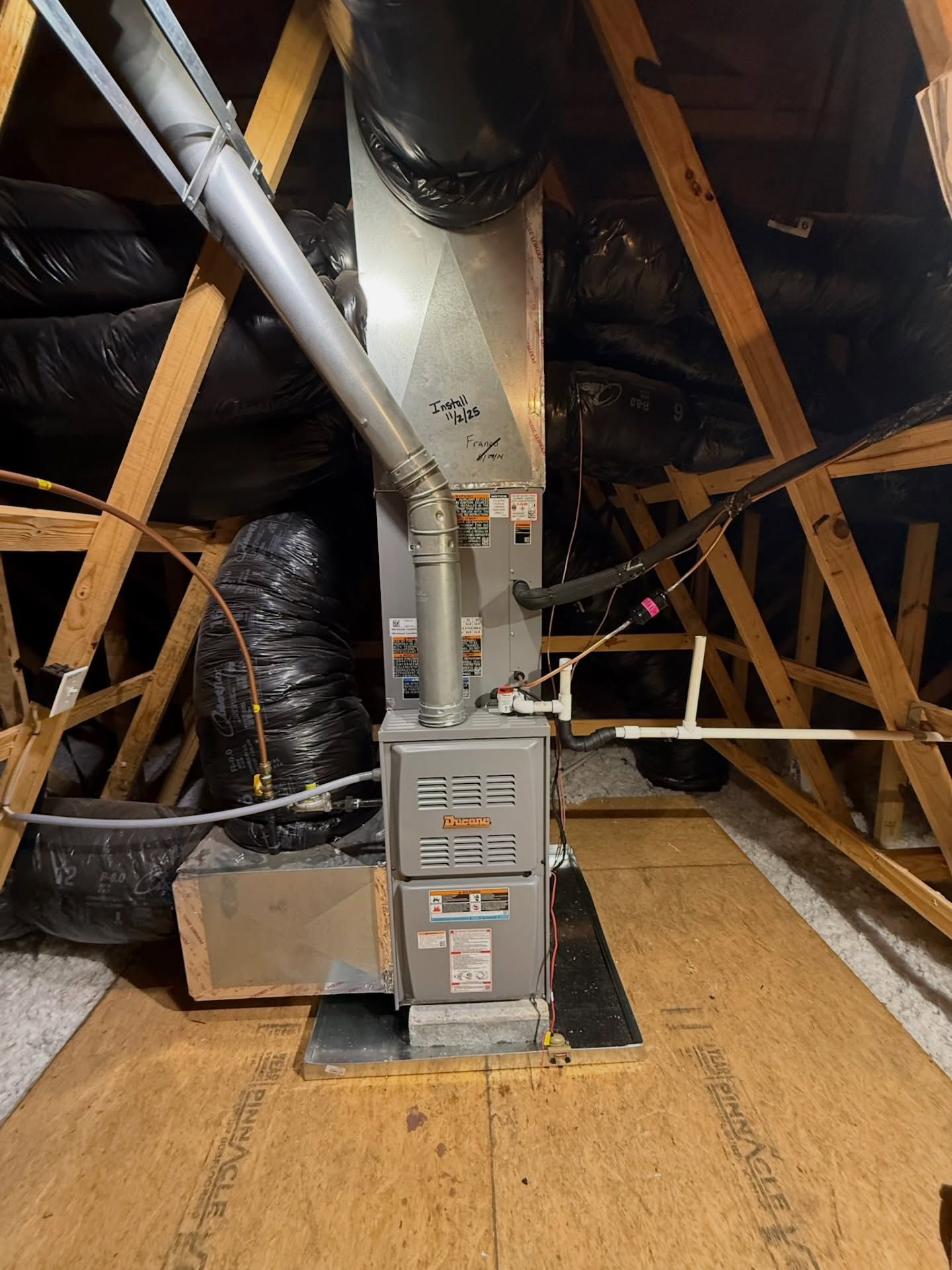
Design work includes specifying insulation levels for ducts running through unconditioned spaces like attics or crawlspaces, selecting appropriate sealing methods to prevent leakage, and planning access points for future maintenance. Systems designed without these considerations lose a significant percentage of conditioned air before it ever reaches living spaces, forcing equipment to run longer cycles and increasing utility costs throughout the system's lifespan.
What to Know Before Duct Design Work
Property owners in Charlotte often ask about ductwork design before installing new systems or addressing persistent comfort problems in existing homes and businesses.
What makes ductwork design necessary during a system replacement?
New HVAC equipment typically moves different volumes of air than older systems, and duct networks sized for equipment from decades ago often create airflow restrictions that reduce efficiency and lifespan when connected to modern units with variable-speed blowers and higher SEER ratings.
How does duct design eliminate hot and cold spots?
Custom design calculates the exact airflow each room requires based on its size, exposure, and usage, then sizes branch ducts and selects register types to deliver that volume consistently without creating pressure imbalances that favor certain areas over others.
What happens if ducts are undersized for the system?
Undersized ducts create excessive static pressure that forces blowers to work harder, increases energy consumption, reduces airflow to registers, and causes premature wear on motors and capacitors that weren't designed to operate under constant resistance.
When should ductwork be replaced versus modified?
Full replacement makes sense when existing ducts are poorly routed, contain asbestos insulation, show significant leakage, or lack adequate return pathways, while modifications work well when the layout is sound but individual branches need resizing or additional zones require new runs.
How does Charlotte's climate affect duct design decisions?
Humidity levels in Charlotte require careful attention to return air placement and insulation specifications for ducts in attics, since warm, moist air infiltrating through leaks or condensation forming on cold duct surfaces can create mold growth and reduce indoor air quality over time.
Air Buds Heating & Cooling evaluates existing duct systems and provides design consultations that address both immediate comfort concerns and long-term system efficiency. Schedule a duct assessment to review your property's airflow requirements and design options.