Diagnostics That Identify Heating Failures
Gas Furnace Repair & Service in Charlotte for furnaces failing to ignite, cycling constantly, or producing insufficient heat during operation
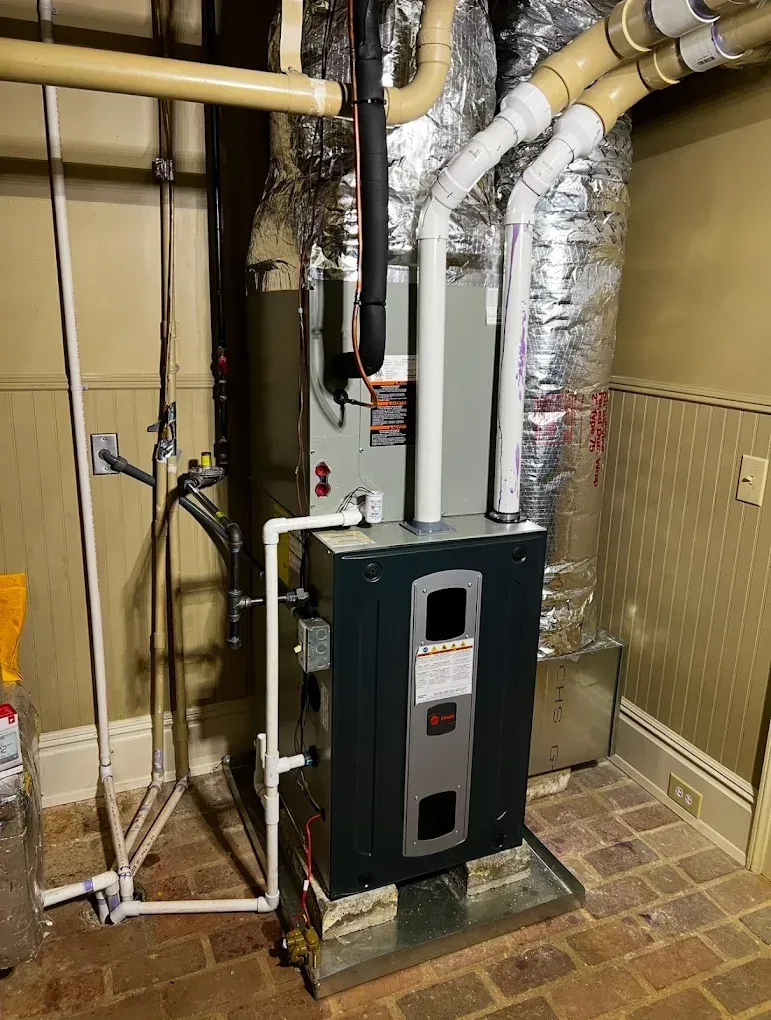
Charlotte winters bring sustained periods below freezing when furnace failures turn from inconvenience to urgent problems affecting livability and pipe freeze risk. Your thermostat calls for heat but nothing happens, or your furnace fires briefly then shuts down repeatedly, or the blower runs continuously while pushing cold air through vents. Air Buds Heating & Cooling troubleshoots gas furnaces exhibiting ignition problems, short cycling, thermostat communication failures, and blower malfunctions, using diagnostic tools to measure gas pressure, verify electrical continuity, and test safety controls before recommending specific repairs based on identified component failures.
Gas furnace troubleshooting follows safety-first protocols that check for proper venting before addressing ignition issues, since blocked flues or failed draft inducers create carbon monoxide risks that override other repair priorities. Ignition problems stem from failed hot surface igniters that crack after years of thermal cycling, flame sensors coated with combustion residue preventing flame detection, or gas valves that won't open due to electrical failure or control board issues, each requiring different diagnostic steps to isolate the actual cause.
Schedule a diagnostic service call to identify which component failure is preventing your furnace from operating properly..
Why Heating Problems Happen and How Service Resolves Them
Furnaces not heating despite appearing to run often indicate blower operation without burner ignition, caused by ignition system failure, flame sensor issues preventing gas valve operation, or thermostat wiring problems that energize the fan circuit while failing to signal heat demand to controls. Short cycling where furnaces fire briefly then shut down typically results from overheating due to restricted airflow across heat exchangers, failed limit switches interpreting normal temperatures as dangerous conditions, or flame sensors incorrectly reporting flame failure despite successful ignition.
Once repairs replace failed components and restore proper operation, your furnace ignites reliably on every thermostat call, maintains steady heating cycles without premature shutdowns, and distributes warm air consistently throughout your home. You no longer hear repeated ignition attempts followed by failure codes, and rooms reach comfortable temperatures within expected timeframes rather than remaining cold while equipment appears to run.
Blower problems manifest as weak airflow from vents, continuous fan operation regardless of thermostat setting, or complete absence of air movement despite furnace sounds indicating burner operation. Capacitor failure prevents motors from starting or maintaining speed, blower wheel buildup reduces air movement despite motor operation, and control board relay failures leave blowers running continuously or prevent them from starting, each requiring specific diagnostic approaches to determine whether motor replacement, cleaning, or control repairs address the actual problem..
Questions Before Starting Your Repair
Homeowners facing furnace failures during cold weather need clear information about repair urgency, diagnostic processes, and decision factors between repair and replacement.
What causes furnaces to blow cold air continuously?
This symptom typically indicates blower operation without burner ignition, resulting from thermostat wiring that energizes the fan terminal constantly or control board failures that run blowers independent of heating cycles, though some thermostats include fan-only settings easily activated accidentally.
How do technicians determine whether ignition problems require igniter replacement or address other causes?
Diagnostic steps measure voltage to the igniter to confirm power delivery, visually inspect igniters for cracks indicating failure, test flame sensors for proper microamp readings during operation, and verify gas valve opening after ignition, isolating whether problems stem from ignition components, flame detection, or fuel delivery.
When do thermostat issues mimic furnace failures?
Thermostats with dead batteries, loose wire connections, or internal failures prevent heat calls from reaching furnace controls despite appearing to function normally, causing furnaces to remain idle while homeowners assume equipment failure, making thermostat verification the first diagnostic step before investigating furnace components.
Why does restricted airflow cause safety shutdowns?
Furnaces monitor heat exchanger temperatures through limit switches that cut gas supply if temperatures exceed safe thresholds, protecting against heat exchanger damage or fire hazards, with restrictions from dirty filters, closed supply vents, or failed blower motors reducing airflow and causing dangerous temperature rise that triggers protective shutdowns.
What seasonal maintenance prevents most Charlotte furnace failures?
Annual service before heating season includes cleaning flame sensors that accumulate residue preventing proper operation, inspecting igniters for cracks before they fail mid-winter, testing capacitors showing declining performance before complete failure, and verifying proper airflow before sustained heating demand reveals restriction problems.
Air Buds Heating & Cooling delivers honest diagnostic findings about your furnace condition, explaining which repairs restore reliable operation and when equipment age or repair costs make replacement the more practical choice. Call us to arrange troubleshooting for your specific heating problem.