
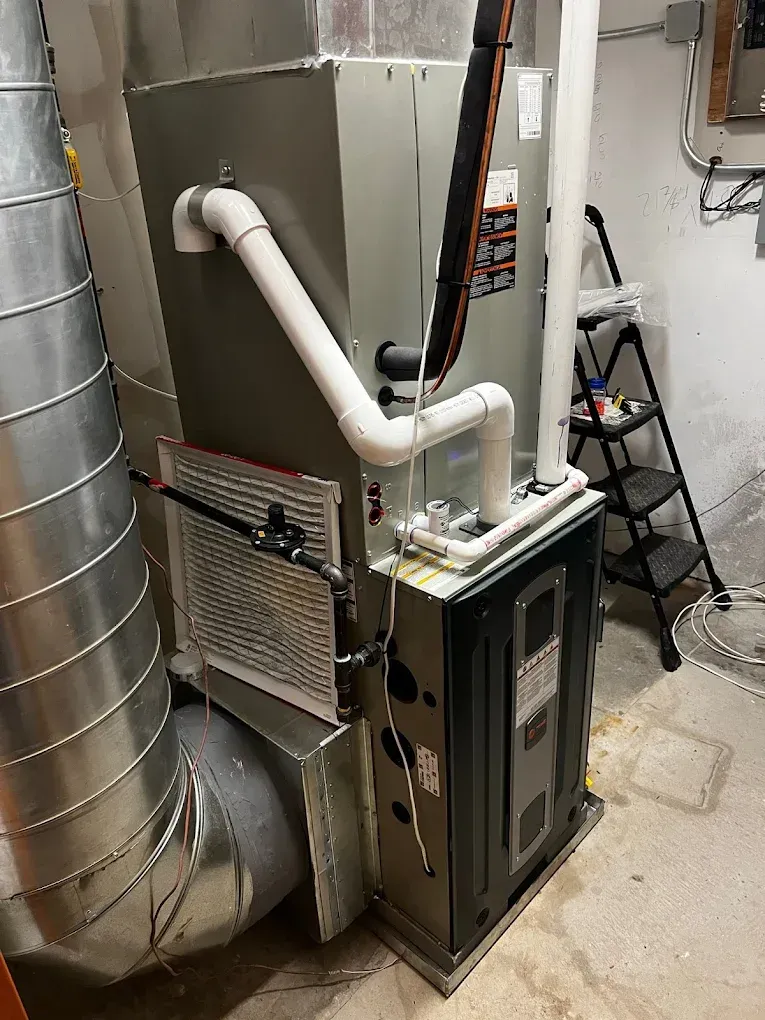
Repairs That Restore Year-Round Climate Control
Heat Pump Repair & Service in Charlotte for units failing to heat or cool effectively or displaying unusual operational symptoms
Heat pumps transfer thermal energy between indoor and outdoor environments rather than generating heat through combustion, reversing refrigerant flow direction to provide both heating and cooling from one system. Air Buds Heating & Cooling services all major heat pump brands across Charlotte when your system blows lukewarm air during winter, freezes solid during heating cycles, produces grinding or squealing noises, or cycles on and off every few minutes without maintaining comfortable temperatures. These symptoms indicate specific component failures, refrigerant issues, or control problems that require diagnostic testing to identify root causes before repairs can restore normal operation.
Heat pump troubleshooting follows systematic processes that measure refrigerant pressures, verify electrical components, check defrost cycle operation, and test reversing valve function to isolate whether problems stem from mechanical failure, low refrigerant charge, or control system malfunctions. Short cycling often results from oversized equipment, failing capacitors, or refrigerant restrictions, while frozen outdoor coils during heating mode suggest defrost controls aren't initiating melt cycles or airflow across indoor coils has become restricted by clogged filters or blocked return vents.
Schedule a system evaluation to identify the specific component or operational issue preventing your heat pump from maintaining temperature..
What Heat Pump Service Actually Accomplishes
Preventive maintenance involves cleaning outdoor coil fins that accumulate cottonwood seeds and pollen prevalent in Charlotte springs, checking refrigerant charge to ensure optimal heat transfer efficiency, testing capacitors that provide startup power for compressor and fan motors, and verifying defrost controls initiate properly when outdoor coils ice over during heating operation below 40 degrees. Service visits catch deteriorating components before they fail completely, typically extending equipment lifespan and preventing mid-season breakdowns during temperature extremes.
After repairs address the diagnosed issue, your system maintains setpoint temperatures without constant cycling, produces consistent airflow at proper temperature differentials from return air, and operates quietly without the rattling, buzzing, or grinding sounds that indicate failing motors or loose components. Your outdoor unit no longer remains encased in ice during winter operation, and indoor spaces reach comfortable temperatures within reasonable timeframes rather than running continuously without effect.
Refrigerant issues require leak detection and repair before recharging systems, since simply adding refrigerant to leaking systems wastes money and fails to restore proper operation. Technicians use electronic leak detectors and ultraviolet dye to locate breaches in coils, line sets, or valve connections, repair or replace affected components, evacuate moisture and contaminants from refrigerant lines, then recharge to manufacturer specifications based on system size and ambient conditions during service..
Common Questions About Heat Pump Service
Property owners experiencing heat pump problems need practical information about repair decisions, maintenance timing, and when service makes sense versus replacement.
What causes heat pumps to blow cold air during heating mode?
Heat pumps deliver air 15 to 20 degrees warmer than room temperature during heating cycles rather than the 40-plus degree temperature rise furnaces produce, feeling cool when contacting skin despite actually heating spaces, though genuinely cold air suggests reversing valve failure or refrigerant loss preventing proper heat transfer.
How does Charlotte climate affect heat pump defrost cycle frequency?
Heat pumps operating in heating mode when outdoor temperatures hover between 30 and 45 degrees with high humidity encounter optimal conditions for coil icing, requiring defrost cycles every 60 to 90 minutes to melt accumulated frost, while colder dry conditions or warmer temperatures reduce defrost frequency significantly.
When do refrigerant leaks warrant repair versus system replacement?
Small leaks in accessible line set connections or service valves typically cost less to repair than replacing entire systems, while leaks within coils or compressor bodies often approach replacement costs when factoring in refrigerant, labor, and the likelihood of additional leaks developing in aging components.
Why do heat pumps make different noises in heating versus cooling mode?
The reversing valve shifts refrigerant flow direction when switching between modes, creating a distinctive whooshing or clicking sound during changeover, while grinding or squealing indicates bearing wear in motors, and hissing suggests refrigerant leaks or expansion valve issues requiring attention.
What maintenance frequency prevents most heat pump failures?
Biannual service before cooling and heating seasons allows technicians to address developing issues before peak demand periods, checking components that work harder during extreme temperatures and cleaning coils that accumulate seasonal debris affecting airflow and efficiency.
Air Buds Heating & Cooling provides straightforward diagnostic findings and repair options without pressuring replacement when service restores reliable operation. Contact us to arrange troubleshooting for your heat pump's specific performance issues.