
Flexible Climate Control Without Ductwork Modifications
Mini-Split Installation in Charlotte for rooms with inconsistent temperatures or spaces without existing ductwork
Air Buds Heating & Cooling installs ductless mini-split systems across Charlotte properties where central HVAC falls short. Your garage stays sweltering in summer while your basement turns frigid in winter, or your new addition remains uncomfortable because extending ductwork isn't practical or cost-effective. These systems mount indoor units directly in the spaces needing climate control and connect to outdoor compressors via a small conduit line that requires only a three-inch penetration through the exterior wall, eliminating the need for bulkheads, dropped ceilings, or invasive duct installation.
Mini-splits operate by circulating refrigerant between indoor air handlers and outdoor condensers, allowing each zone to maintain independent temperature settings without conditioning unused spaces. Single-zone systems serve one area with a dedicated outdoor unit, while multi-zone configurations connect up to five indoor units to one outdoor compressor, providing control for multiple rooms or floors while maintaining efficiency by heating or cooling only occupied areas.
Schedule a property evaluation to determine system sizing and optimal indoor unit placement for your specific spaces.
How Ductless Systems Deliver Zone-Specific Comfort
Mini-split sizing depends on the square footage, insulation quality, window exposure, and ceiling height of each zone you're conditioning, with units typically ranging from 9,000 to 36,000 BTUs per indoor head. Air Buds Heating & Cooling calculates heat gain and loss for each space to match equipment capacity, preventing the short cycling and humidity issues that occur when systems are oversized or the discomfort and efficiency loss from undersized units.
After installation completes, you'll notice each zone responds to its own thermostat setting within minutes rather than waiting for conditioned air to travel through lengthy duct runs. Your home office maintains 68 degrees during work hours without cooling the entire house, your garage workspace stays tolerable during July afternoons, and your converted attic bedroom reaches comfortable sleeping temperature without overheating lower floors. Energy-efficient models adjust compressor speed continuously rather than cycling on and off, reducing the temperature swings and noise associated with single-stage systems.
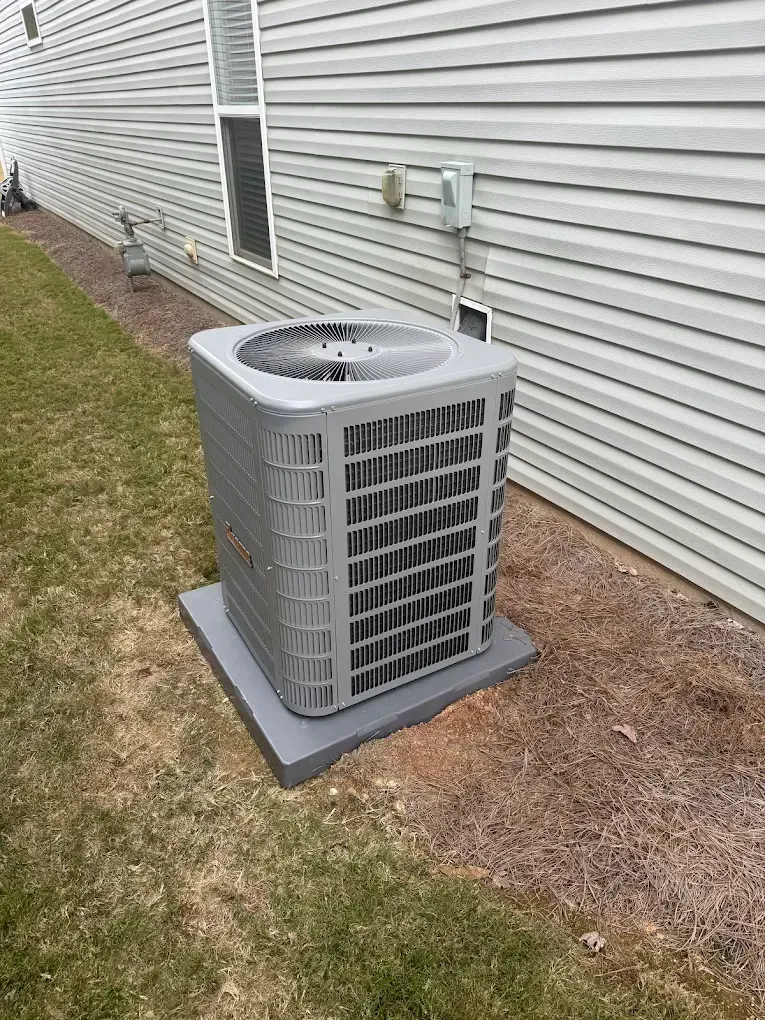
Indoor unit placement prioritizes unobstructed airflow while accommodating furniture arrangements, with wall-mounted units typically installed seven to eight feet above the floor for even air distribution. Outdoor condensers require clearance for airflow and service access, with placement considerations including proximity to indoor units to minimize refrigerant line length, drainage routing for condensate removal, and noise management relative to windows and neighboring properties.
What Property Owners Ask Before Installation
Charlotte homeowners adding climate control to previously unconditioned spaces or replacing inefficient window units often have similar questions about how mini-splits integrate with existing structures and how system choices affect long-term comfort.
How does multi-zone capacity differ from installing multiple single-zone systems?
Multi-zone systems use one outdoor unit to serve several indoor heads, reducing exterior equipment footprint and often lowering installation costs compared to separate systems, though single-zone units allow for phased installation and provide redundancy since one outdoor unit failure doesn't affect other zones.
What structural modifications does installation require?
The installation process involves mounting indoor units on interior walls with secure bracket systems, drilling one three-inch hole per zone through exterior walls for refrigerant lines and electrical connections, and placing outdoor condensers on ground-level pads or wall-mounted brackets, with no ductwork fabrication or ceiling modifications needed.
Why do installation costs vary between single-zone and multi-zone systems?
Single-zone systems include one outdoor unit per indoor head with separate electrical circuits and refrigerant lines, while multi-zone configurations share one larger outdoor unit across multiple heads, reducing equipment costs but requiring more complex refrigerant distribution and longer line runs to reach distant zones.
When should Charlotte homeowners consider replacement over repair for existing mini-splits?
Systems over ten years old experiencing refrigerant leaks, compressor failure, or control board issues typically warrant replacement rather than repair, particularly if newer models offer significantly improved efficiency ratings that offset repair costs through reduced energy consumption within three to five years.
How does mini-split sizing affect humidity control during Charlotte summers?
Properly sized units run longer cycles that remove moisture effectively, while oversized systems reach temperature setpoints quickly and shut off before adequate dehumidification occurs, leaving spaces feeling clammy despite meeting temperature targets.
Air Buds Heating & Cooling provides detailed system selection guidance based on your property's specific zoning needs and existing infrastructure. Request an on-site consultation to review equipment options and placement strategies for your spaces requiring independent climate control.