
Systems That Heat and Cool Efficiently
Heat Pump Installation in Charlotte for properties replacing aging HVAC equipment or upgrading to energy-efficient climate control
Heat pumps move thermal energy rather than generating it through combustion, extracting warmth from outdoor air even during winter and reversing the process to cool during summer, providing year-round climate control from one system with lower energy consumption than separate furnace and air conditioner combinations. Your fifteen-year-old system requires frequent repairs while utility costs climb, or your home never quite reaches comfortable temperature during peak summer afternoons or January mornings. Air Buds Heating & Cooling installs Bosch and Comfortmaker heat pumps across Charlotte, matching equipment capacity to your home's heating and cooling loads through load calculations that measure insulation performance, window efficiency, and ductwork condition rather than simply replicating your existing system's tonnage.
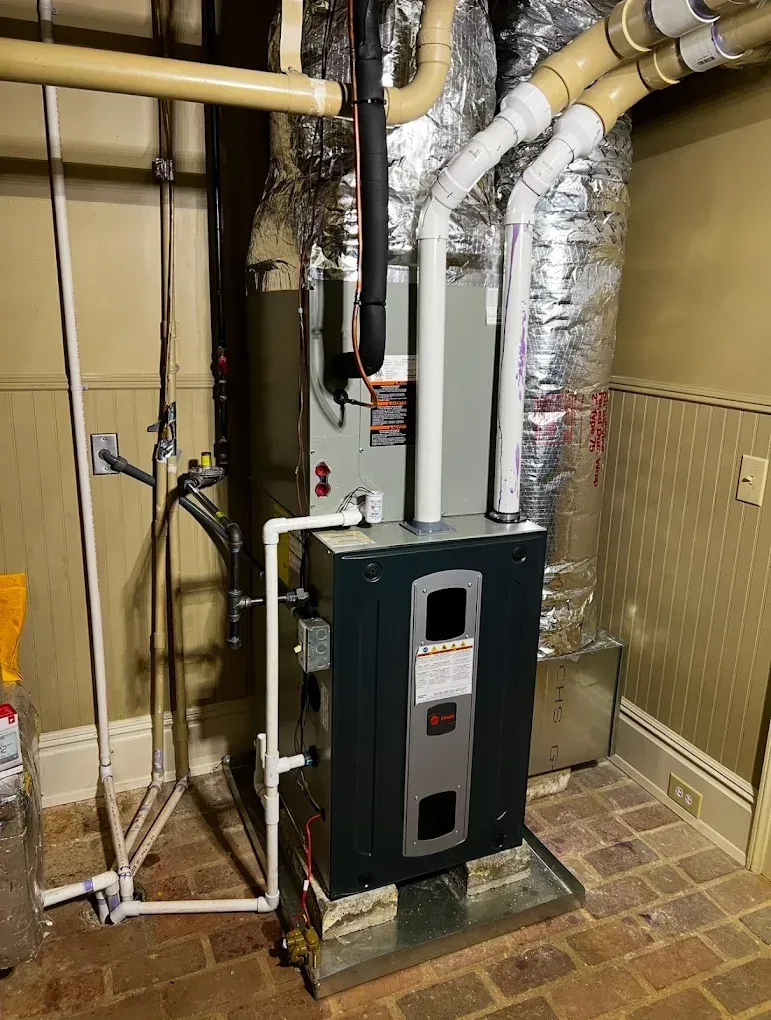
New heat pump installation involves removing old indoor and outdoor equipment, verifying ductwork compatibility with new airflow requirements, installing refrigerant line sets between components, establishing proper condensate drainage, and programming controls for optimal performance across Charlotte's humid summers and variable winter temperatures. System selection considers SEER ratings for cooling efficiency, HSPF ratings for heating performance, and whether your home requires backup heat sources for sustained cold periods below the heat pump's effective operating range.
Request a planning session to evaluate your current HVAC performance and determine appropriate heat pump sizing for your property..
What Changes After Modern Systems Replace Aging Equipment
Heat pump sizing requires separate calculations for heating and cooling loads since Charlotte demands more cooling capacity during July than heating capacity during January, with properly sized systems satisfying both requirements without excessive capacity that causes short cycling and humidity control problems. Ducted heat pumps integrate with existing forced-air distribution systems when ductwork remains in serviceable condition, while homes with leaking or undersized ducts may benefit from duct sealing or modification completed alongside equipment replacement to realize full efficiency potential from new systems.
After installation completes, Air Buds Heating & Cooling verifies proper refrigerant charge, airflow volumes, and temperature differentials across coils to confirm systems operate within manufacturer specifications. You'll notice consistent temperatures throughout rooms that previously felt stuffy or cold, reduced noise from equipment designed with improved compressor isolation and fan blade geometry, and lower utility bills as variable-speed components adjust output to match demand rather than cycling on and off repeatedly.
Energy efficiency differences between models affect long-term operating costs significantly, with higher SEER ratings reducing cooling costs per degree of temperature drop and improved HSPF ratings lowering heating expenses compared to older single-stage equipment. Warranty coverage and manufacturer support vary between brands, with some offering parts-only warranties requiring separate labor payment while others include comprehensive coverage, factors affecting total ownership costs beyond initial equipment prices during system selection decisions..
Common Questions About This Installation
Property owners evaluating heat pump replacement need practical information about equipment selection, installation requirements, and performance expectations for Charlotte climate conditions.
How does heat pump performance differ from traditional furnace and air conditioner combinations?
Heat pumps provide heating at lower operating costs than gas furnaces until outdoor temperatures drop below their balance point, typically around 30 to 35 degrees depending on model efficiency, while delivering comparable cooling performance to standalone air conditioners, making them well-suited for Charlotte winters that rarely sustain extended freezing periods.
What determines whether existing ductwork requires modification during installation?
New heat pumps move specific air volumes requiring duct systems with adequate size and sealed connections to deliver designed airflow without pressure loss, with undersized returns, crushed supply runs, or excessive leakage reducing system efficiency and comfort even with new equipment, making duct evaluation part of proper installation planning.
When does backup heat become necessary with heat pump systems?
Heat pumps lose capacity as outdoor temperatures drop, struggling to maintain comfort during prolonged periods below 25 degrees, leading some installations to include auxiliary electric resistance heat or retain existing gas furnaces as supplemental sources during peak demand, though Charlotte climate rarely requires backup operation more than a few days annually.
Why do installation costs vary between replacement and new construction applications?
Replacements involve removing old equipment, disposing of refrigerants properly, and working within constraints of existing duct locations and electrical service, while new construction allows optimal equipment placement, duct sizing, and electrical planning before walls close, typically reducing labor hours and material waste despite similar equipment costs.
What maintenance extends heat pump lifespan in Charlotte humidity?
Biannual service addressing coil cleaning, refrigerant charge verification, electrical connection tightening, and drain line clearing prevents the majority of premature failures, with outdoor coils requiring particular attention to remove pollen and cottonwood accumulation that restricts airflow and reduces efficiency during peak cooling demand.
Air Buds Heating & Cooling provides transparent equipment recommendations based on your home's actual requirements and your budget priorities, explaining performance trade-offs between models without pushing unnecessary capacity or features. Schedule an evaluation to discuss heat pump options matched to your specific property characteristics and comfort expectations.